Showing posts with label West Java. Show all posts

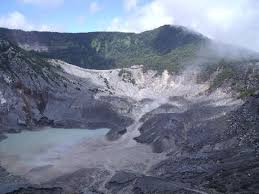
Bandung Tourism - Tangkuban Prau Crater Mountain

Bandung is the capital of West Java province. Bandung City has Interesting Vacation Spots, Lots of attractions for the purpose of your trip and vacation. Bandung city often become tourist holiday destination in West Java in particular.

Bandung Tourism - Tangkuban prau Mount
Nature of Bandung has a very beautiful and the air temperature is cool, will make the tourists who come to the city of Bandung was comfortable and happy. Many attractions can be visited by tourists either local or foreign tourists. Because the beauty of the city of Bandung, the city of Bandung often get the nickname as its Paris Van Java Indonesia.

Then anywhere interesting vacation spot for your travel destination? Here are some lists of existing attractions in Bandung:
Maybe a list of attractions below are only a small part in Bandung

1. The Mount Tangkuban Perahu
2. Factory outlets in Jl. Riau and Dago.
3. Saung Angklung Udjo
4. Shopping Centers and Cibaduyut Cihampelas.
5. culinary tours in North Bandung and Lembang area;
6. cultural tourism Udjo Saung Angklung Saung Angklung Udjo Padasuka 118.
7. nature tourism LOCT (Leuwi opat Curug tilu) at close to major tourist attractions parompong Curug cimahi

Okay! If you wanted to travel to Bandung, you can choose one of several such attractions. Or perhaps time, you know Other info Sightseeing in Bandung? Please give your comment on this article.

Nature Tourism Park Mountain Tangkuban Parahu

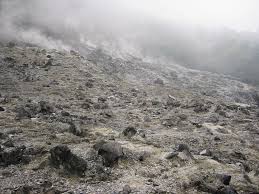
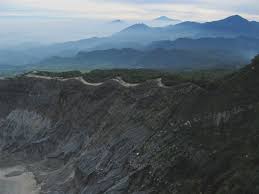
Tangkuban Perahu Crater is one of the attractions located in the southern district. Subang, located at an altitude of 2084 m above sea level. With rows of natural beauty and coolness of the crater that extends a typical mountain air and the expanse of other mountains towering around it and the many collections of herbs and plants typical of tropical forest that thrives around the crater, making the mountain Tangkuban Parahu as an attractive tourist destination in Subang Regency.


Viewed from the city of Bandung, the mountain Tangkuban has a unique shape resembles a boat upside down (the Sunda language: Tangkuban = inverted, Parahu = Boat). Unique shape is believed to have a very close relationship with Sangkuriang legend. Enjoying the view from the crater of Mount Tangkuban Queen Boat, like seeing a giant bowl of very large and deep. When the weather was sunny, the curve of the soil on the crater wall of the crater base as well as can be seen quite clearly so as to present a spectacular panoramic view. Splendor of the crater is so vast and deep, at least capable of forcing the viewer to a moment silent and amazed by the greatness of God's work.

Entrance Facilities and Tariff

Souvenir shop, cafeteria and information center (TIC), souvenir shops, homestay, camping ground, outbound area, parking areas, areas to ride. The tariffs went into the location of attractions Tangkuban Parahu Rp 9000.


Accessibility

To go to these attractions, visitors can use a personal vehicle wheels either 2 or 4 wheels or public transport. The travel time to the Sari ATER attractions, from the town of Subang with travel time approximately 40 minutes south of Bandung, while around 50 minutes and from Jakarta via toll Sadang with travel time approximately 3 hours while the hot water attractions with travel time Ciater 15 minutes.
Condition of the road to this area, both from Bandung, Subang and also very good. But keep in mind about the condition of the vehicle, due to the location from Bandung, Subang and going through a tough climb.


Pangandaran Beach area is one of the flagship tourist attraction and Ciamis District of West Java Province.

Pangandaran Beach area is one of the flagship tourist attraction and Ciamis District of West Java Province. In fact, the area in the South Coast of Java is included in the agenda of tourists visiting Indonesia in 2008. Therefore, the local government through the Department of Tourism and the local culture, continue to correct and complete supporting facilities Pangandaran Beach tourist area.


Privileges :

Visitors can enjoy the natural scenery is beautiful Pangandaran Beach and the stretch of sloping white sand beaches are stunning. Two hills flanking make Pangandaran Beach and the breeze gently ripples the sea waves are relatively small, so that your visitors comfortable doing various activities, such as used tires swimming, sailing around the peninsula, fishing, relaxing on the beach, or simply absorb the natural beauty of tourist huts are numerous in the region. In addition, visitors can see the sunrise and sunset from the same place. For visitors who want to dive in this area there are gardens with a variety of marine fauna and flora of the beautiful sea.

Way around this beach is paved smooth, making it easier for visitors who want to surround the area with a motor vehicle or bicycle. When night falls, visitors will still feel comfortable in Pangandaran Beach, because the area has been equipped with adequate lighting. Every weekend, usually held on traditional performing arts of West Java. In addition, in certain months held various events, such as sea fishing Pangandaran intent in March, nyiar lumar in June, a festival of international kite (Pangandaran International Kite Festival) in July, decorated boat parade in August, the race fishing in September, cross-country tours and off road in October, and the party to celebrate the new year in December.


Location :

Pangandaran Beach is located in the district of Pangandaran, Ciamis regency, West Java Province, Indonesia.


Access :

From Bandung, visitors can use the route Bandung - Tasikmalaya - Pangandaran. The distance is approximately 236 kilometers. In addition to the bus, visitors can take the train to the station Banjar. Of Banjar, the journey continued by bus to Pangandaran.

From Yogyakarta, visitors can use the route of Yogyakarta - Cilacap - Banjar - Pangandaran. The distance is about 385 kilometers. In addition to the bus, visitors can take the train to the station Banjar. Of Banjar, the journey continued by bus to Pangandaran.


Accommodation and Facilities :

In the tourist resort of Pangandaran beach there are various supporting facilities, such as a large parking area and safe, hotel and guesthouse with various types, SAR teams, tourist cabin, campground, pramu tourism, and tourism information center.

In addition, in the region there are other facilities such as banks, ATMs, money changers, restaurants, food shops, cinemas, discos, bike rentals and tires, jet skis, post offices, telecom shops, voucher refill pulse, the sailing , and centers of gifts and souvenir outlets.


Angklung Traditional Musical Instrument From West Java

Angklung Traditional Musical Instrument From West Java 1
In the play, art angklung a lot of personal needs. Musical instrument made of bamboo in which its use in a way shaken. In this way the instrument sounds a very distinctive loud. Angklung form consists of two sticks of bamboo in various sizes according to the needs of high and low tones - shaped like musical instruments calung. Only, the acquisition is not driven sound angklung as calung art, but shaken to the touch between the elements in the body is able to angklung produced a tone.


Angklung Traditional Musical Instrument From West Java 2

Angklung is developing now is angklung in diatonic tones, which are developed by Angklung Daeng Soetigna artists. Hence, the name for Soetigna Daeng Sundanese musical repertory as Mr. Angklung dikenap diatonic chromatic scale, the artists who pioneered the change of tone pentatonic angklung (da-mi-na-ti-la-da, the barrel Salendro) as it developed in areas such as the Pandeglang and Banten Attack to the diatonic tones. In the area of Banten this pentatonic Angklung art better known to art angklung gubrag, angklung sered, or angklung beans.

Angklung Traditional Musical Instrument From West Java 3

In the latest development of the art angklung (diatonic) became quite popular art, and has a pretty good place in society, especially the upper middle class. This art practice in the form of an orchestra (between 30 to 60 personal) usually consumed by government officials or in official guest pernyambutan from within and abroad. Therefore, no wonder that this art is one art that often appear in state court.


West Java's Traditional Dance

west javas traditional dance 1
Jaipongan is the art of dance that was born from the creativity of an artist from Bandung, gugum Gumbira. He inspired the folk art one of them is making Tap Tilu really know and recognize patterns perbendaharan dance tradition that is at or Kliningan Tilu Bajidoran or Tap. So that he can develop a dance or art that is now known by the name Jaipongan.


Jaipong work first began to be known by the public is dance "Leaf Bojong Keser plus" and "Rendeng Bojong" both of which type of dance and dance partner's daughter (sons and daughters). Initial appearance of the original dance movement is considered as the erotic and vulgar, but the longer this dance more popular and began to increase the frequency of good performance in the medium of television, celebration, and celebrations held by the government or by private parties.

From this starting Jaipong dance was born a few dancers that are reliable Jaipongan like Tati Saleh, Yeti Mamat, Eli Somali, and Pepen Dedi Kirniadi. The presence of dance Jaipongan contributed considerable to the art of dance lovers for more active types of folk dances explore previously lacking in attention. With the emergence of this Jaipongan dance that many are making dance courses Jaipongan, and frequently used by businessmen to enticing guests.

west javas traditional dance 2

In Subang Jaipongan style "Kaleran" has a characteristic that is fun, erotic, humorous, spirit, spontaneity, and simplicity. This pattern was reflected in the presentation of dance on the show, there is a given pattern (Pattern Ibing) as in art Jaipongan in Bandung, as well as others who do not dance dipola (Ibing Saka), for example in art Jaipongan Subang and Karawang. This term can we meet the Jaipongan kaleran style, especially in the Subang area.

west javas traditional dance 3

Dance Jaipongan today could be called as one of the West Javanese dance, look at the important events coming of guests from foreign countries who came to West Java, was always greeted with a performance at Jaipongan dance. Dance Jaipongan influence on many other art-art in West Java, both on the art of wayang performances, gamelan, and other genjring even collaboration with Modern Dangdut by Mr. Nur and Leni to become art Pong-Dut


Weapons Heritage of Javanese Keris

Keris is a kind of short weapon used Melayu nationality since more than 600 years old. These weapons are unique in the world available from the Malays and the Malays populated areas such as Malaysia, Indonesia, Singapore, southern Thailand, southern Philippines (Mindanao), and Brunei.

Keris is used to defend themselves (such as silat) and as a means greatness of kings. This weapon is also a symbol of sovereignty of the Malays. The most famous keris Taming Sari keris is a weapon that Hang Tuah, a hero of the famous Malays.


Keris Melayu according to traditional practices need to be maintained by a bath at a certain period, such as Friday night. There are also practice the keris as a way to keep the metal kris and also to increase the venom. There is a saying that says: "Award to a person dependent for clothing." Maybe saying it was born from a psychologist's view that based on neatness, cleanliness of clothing worn one, it shows the character or characters that is in that person. In Central Java community in general to a specific event, such as the marriage ceremony, the men should wear the dress jangkep Jawi (Javanese costume complete).

And obligations that must be obeyed, especially by the groom, which must use the / use Java-style wedding dress, the batik berkain, wedding dress, headgear (kuluk), and also a keris tucked into the waist. Why should the keris? Because of the keris by the community in Java is represented as a symbol of "manhood". And sometimes, if for some reason unable to attend the bridegroom in the wedding ceremony of appointment, he represented a keris. Keris is a symbol of heritage.

This view is actually originated from the Javanese people's confidence first, that the beginning of the existence of beings on earth or in the world comes from an agrarian philosophy, namely the merging of elements from a man with a female element. In this world, Allah created the creatures in two types of sex that men and women, whether human, animal, or plant. Belief in an agrarian philosophy is very basic in the palace compound great family environment in Java, such as the Royal Palace of Kasunanan Surakarta, Yogyakarta Sultanate, and others. Trust was originally from Hinduism who never embraced by the community in Java. Then came the trust of father sky and mother earth / earth.

Which is also close to the philosophical belief in the Javanese agrarian embodied in the heritage of the procession ceremony before a Sura in the Javanese calendar with heirloom seed mengkirabkan Palace of weapons: spear heirloom, a large knife (bendho). Pengirab procession of superior weapons Karaton heritage walk around the palace complex, while focusing the mind, feelings, praise and plead with the Creator of the universe, to gain protection, happiness, physical and spiritual welfare.

The main function of the first heirloom weapon is a tool to defend themselves from enemy attack, and animals or to kill the enemy. But then a function of sharp weapons such as kris heritage or heirloom spear was changed. In times of peace, sometimes people use the keris completeness only as ceremonial dress when meeting bride greatness. So the keris was decorated with diamonds or a diamond on the upper base of the keris. Even the scabbard is made of metal so beautifully carved, gold-plated shining sebagaikebanggaan wearer. Then, could not help the keris is a commodity of high value business.

Tosan aji, or heirlooms weapons were not just the kris and spear Javanese, but almost all regions in Indonesia have a heritage mainstay weapons, such as in Aceh Rencong, Badik in Makassar, swords, spears tipped three (trident), keris bali, etc. other.

When Sultan Agung attack starch with a degree Duchy Garudha Nglayang war, Supit Urang, Wukir Jaladri, or degree Dirada Meta, soldiers who accompany the use of his spear gun carved kalacakra image. Keris heritage or heirloom spear that is the heritage of superior efficacy was not only because it is made of steel elements, iron, nickel, and even mixed with elements of rock meteorid falling from the sky so solid, but the way along to the accompaniment of making prayers to the Creator of Nature (Allah SWT) with a spiritual effort by the professor. That way, the spiritual power of Nature Creator that was believed to be the magical power or efficacy that can contain other party to influence the weapon of fear to the user's heritage.